What
is Keyword Research and its importance in the content?
Content creation without Keyword research in today's competitive online era is like firing
in the dark. Whether you are creating a blog, conducting a campaign, or
creating a full-fledged content
marketing strategy, it knows what your audience searches for that can make
or break your online business.
One of the pillars of SEO and content marketing
is the effective application of keywords—they
make your content discoverable, gain visibility and drive relevant traffic to
your site. Digital marketing services in
India like RCSMESSAGE, heavily
bank on SEO keyword research to
develop effective and high-performing strategies for their clients.
Let's take a closer look at what a keyword is,
how keyword research operates, its advantages and how it aligns with your
broader digital marketing objectives.
What
is a Keyword?
A keyword
is a term or phrase individuals input into search engines when they're seeking
information, goods or services. In SEO (Search
Engine Optimization), keywords are the key that bridges the query of a user
to your content.
For instance, if an individual looks for
"best running shoes under 5000," that is a long tail keyword. If they just type "running shoes,"
that is a short tail keyword.
In simple words, keywords assist:
·
Search
engines in determining the subject of your content
·
Promoting
your content to align with user intent
·
Ranking
your content better in search engine results
What
is Keyword Research?
Keyword research is the process of identifying
the right keywords to target in your content. It involves understanding what your
audience is searching for and finding the best opportunities to reach them.
Whether you’re using short tail keywords like
“shoes” or more specific long tail keywords like “best shoes for marathon
runners in India,” keyword search plays a vital role in optimizing your
content.
Professional companies such as RCSMESSAGE, a
well-known content marketing agency
and SEO marketing service provider,
employ sophisticated tools to find high-value keywords with decent search
volume, less competition and high conversion potential.
Why
Keyword Research Matters in Content?
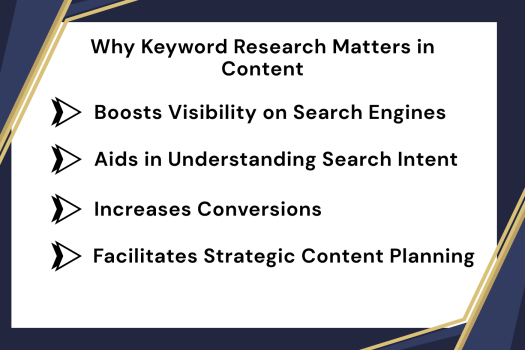
Here's why SEO
keyword research is the crux of any successful content marketing strategy:
1.
Boosts Visibility on Search Engines
By incorporating the appropriate keywords into
your content, you enhance the likelihood of showing up on search engine result
pages (SERPs). When somebody
searches for something relevant to your company, your website
appears—triggering organic traffic.
2.
Aids in Understanding Search Intent
Keyword research helps you understand what your
target audience is actually looking for. Are they looking for information,
ready to buy, or just comparing options? Tailoring your content accordingly
helps improve engagement.
3.
Increases Conversions
When your content aligns with what users are
searching for, they are more likely to trust your brand and convert—whether
that means making a purchase, signing up for a newsletter, or booking a
service.
4.
Facilitates Strategic Content Planning
A correct keyword search presents you with
hundreds of content ideas for you to write about. Rather than making an
educated guess, you draw from what your audience already wishes to read.
What is the Keyword Research Process?
The keyword research process consists of
several steps. A systematic approach guarantees that your content meets the
intended target and achieves quantifiable results.
1.
Know Your Audience
Begin by defining your target audience:
·
Who
are they?
·
What
are they searching for?
·
What
problems do they want to solve?
RCSMESSAGE, as a leading content marketing agency, begins each campaign by developing
detailed buyer personas to inform keyword decisions.
2.
Brainstorm Seed Keywords
Seed keywords are the foundation of your keyword
research. They are basic terms related to your niche.
For example, if you’re in the fitness business:
Seed keywords could be: “Workout,” “Diet,” “Gym
equipment”
These keywords will assist you in further
refining into more detailed keyword concepts.
3.
Utilize Keyword Research Tools
Utilize tools such as:
·
Google
Keyword Planner
·
Ubersuggest
·
SEMrush
·
Ahrefs
·
Moz
These tools assist you in finding:
·
Search
volume
·
Keyword
difficulty
·
Related
LSI keywords (Latent Semantic
Indexing keywords)
·
CPC
(Cost Per Click)
LSI keywords are words or phrases which are
contextually associated with your primary keyword. They assist in preventing
keyword stuffing and add to topic relevance.
4.
Study Competitor Keywords
Verify what keywords your competitors are
ranking for. Map content gaps and opportunities you can leverage.
For instance, a competitor might be losing some
long tail keywords that you can ride
on for faster rankings.
5.
Group Keywords by Intent and Funnel Stage
Cluster keywords under user intent:
·
Informational:
"What is keto diet?"
·
Navigational:
"Nike shoes website"
·
Transactional:
"Buy keto diet plan India"
This segmentation allows you to develop content marketing plans that target
each step of the buyer journey.
Types
of Keywords You Need to Know
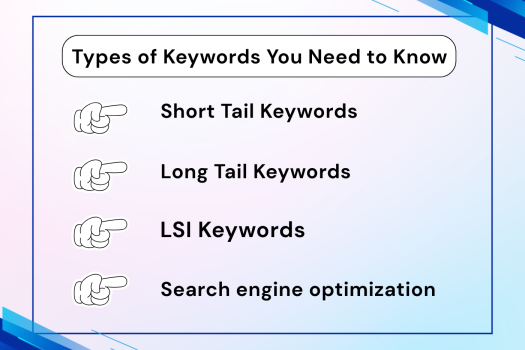
1.
Short Tail Keywords
·
1–2
words
·
High
search volume, high competition
·
Broad
and less targeted
·
Example:
"Shoes," "Digital Marketing"
2.
Long Tail Keywords
·
3
or more words
·
Lower
search volume, low competition
·
Highly
targeted
·
Example:
"Best digital marketing services in India," "SEO tools for
bloggers"
RCSMESSAGE, being a leader in SEO marketing services, advises
emphasizing long tail keywords for improved prospects at ranking, particularly
for small and new ventures.
3.
LSI Keywords
They are semantically related words. For the
keyword "SEO," LSI keywords would be:
·
Search
engine optimization
·
On-page
SEO
·
Backlinks
They make your content more authentic and
enhance contextual relevance.
Benefits of Using Keywords in Content Marketing
Let's discover some advantages of adding good keyword research to your content marketing strategy:
1.
Better Search Rankings
Well-placed keywords improve your rankings in
SERPs, leading to more clicks and traffic.
2.
Better Quality Leads
Using transactional
long tail keywords attracts visitors who are likely to convert.
3.
Lower Advertising Expenses
By ranking organically for relevant keywords,
you minimize reliance on paid advertising. You pay only when needed.
4.
Better Content Relevance
Applying LSI keywords enhances the depth of
your content, making it more user-relevant and easier to comprehend for search
engines.
5.
Competitive Edge
Most businesses still fail to properly
optimize. Using concentrated keyword research, you can beat competitors and
gain market share.
How
RCSMESSAGE Helps You Achieve Success with Keyword Research?
Being a leading digital marketing service provider in India, RCSMESSAGE offers
expert content creation services employing state-of-the-art SEO keyword research strategies.
Why
RCSMESSAGE?
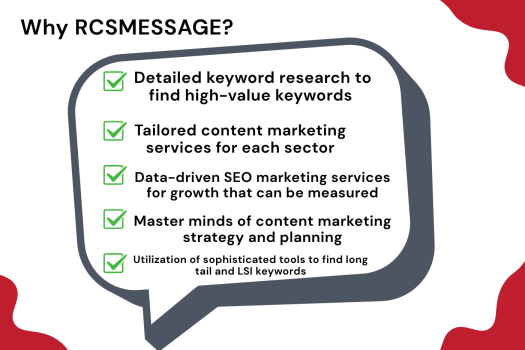
·
Detailed
keyword research to find high-value keywords
·
Tailored
content marketing services for each sector
·
Data-driven
SEO marketing services for growth that can be measured
·
Master
minds of content marketing strategy and planning
·
Utilization
of sophisticated tools to find long tail and LSI keywords
·
Recommended
by companies all over India for best
digital marketing services in India
Whether you're a brand new startup or an old
established company, RCSMESSAGE can walk you through each stage of the keyword
search and assist you in expanding your online presence.
Conclusion
When it comes to SEO and content marketing, keyword
research isn't a nicety—it's a necessity. From finding out what your customers
are looking for creating content that ranks and converts, keywords are the
foundation of your online success.
By knowing and utilizing short tail, long tail
and LSI keywords and by employing appropriate keyword research tools, you can
develop a robust content marketing strategy that provides sustained ROI.